



“It’s the flow of energy through the whole system that constitutes us… Keeping the metabolic rate up is the main thing, and there are lots of ways to do it.” —Ray Peat
Ray Peat’s (1936-2022) work weaves biology, philosophy, and cultural critique into a singular vision: life is a dynamic flow of energy, and metabolism is its heartbeat. Far from a mere chemical process, metabolism shapes our cells, minds, and capacity for joy, creativity, and love. To understand Peat’s biology is to see health as the art of being vibrantly alive, warm, resilient, and fully engaged with the world. This essay builds on my previous look at Peat’s philosophy, which you can find here. This time, we’ll explore some of the biological foundations that give his ideas their unique perspective on health and humanity.
Before we begin, it’s worth acknowledging a paradox that Peat himself would appreciate. Just as my recent essay on Lao Tzu and Taoism was, in some ways, a paradox—since the Tao that can be captured in words isn’t the true Tao—Peat rejected all forms of authoritarianism and rigid dogma. Any attempt to summarise his work, especially in a single essay, risks being oversimplified and carrying an unintended air of authority. I encourage you to take my words with a pinch of salt, and to explore the footnotes and references for yourself rather than accepting my interpretation at face value.
Finally, please note: this essay is for informational and educational purposes only. Nothing here constitutes medical, dietary, or health advice.
Metabolism: The Architect of Life
At the core of Peat’s thinking is a deceptively simple truth: energy and structure are interdependent, at every level. Metabolism, the process by which our cells convert food into usable energy, is not just life’s engine but its architect. From the folds of the brain to the chambers of the heart, every structure in our body emerges from the flow of energy. In essence, our metabolic rate and our health are very closely linked. Without sufficient energy, our bodies cannot repair themselves and maintain their biological structures. Put simply, the more energy you have, the more fully you can live. Echoing process philosophers like Alfred North Whitehead, Peat sees life as a movement, a ceaseless becoming rather than a static substance.1
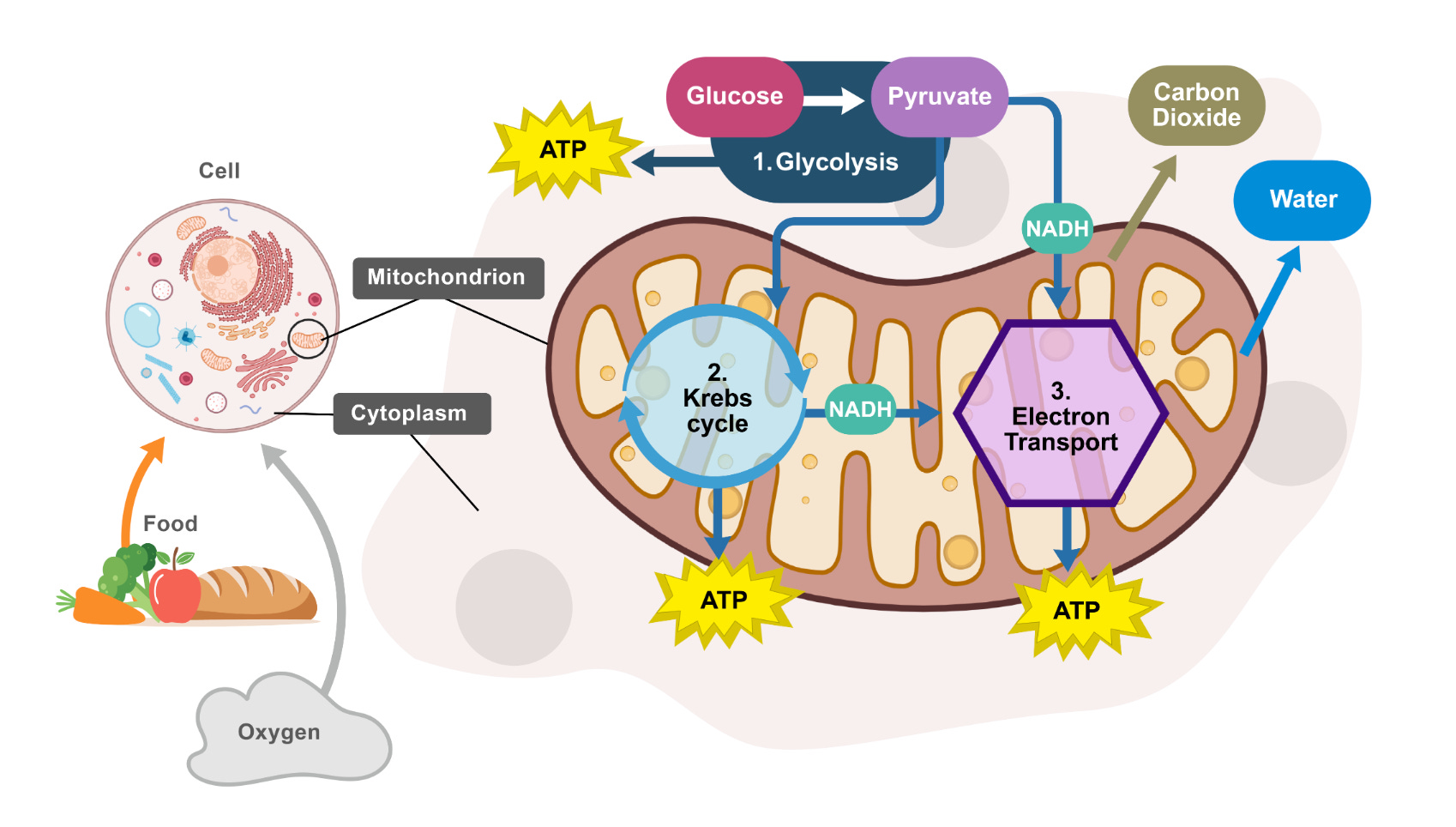
For many people, “metabolism” brings to mind calorie counts or fitness routines. Peat redefines it as the pulse of existence: a continuous stream of energy that allows us to grow, adapt, and resist the universe’s drift toward entropy and decay. The molecule at the core of this process is adenosine triphosphate (ATP), the cell’s universal energy currency. ATP powers every heartbeat, thought, and act of healing. How efficiently our cells produce ATP, and with what consequences, defines our health, vitality, and capacity to thrive.
The Two Roads of Energy Production
Our cells generate ATP primarily from two fuels: glucose (from carbohydrates) and fat. Each pathway has its own rhythm, implications, and role in shaping the body’s energy landscape.
Glucose: The Flame of Vitality
Glucose, derived from foods like fruits, milk, honey, and root vegetables, is the body’s preferred fuel. It burns quickly and cleanly, especially in the presence of oxygen, producing ATP with minimal oxidative stress. This process, called aerobic respiration, yields up to 36 ATP molecules per glucose molecule, powering complex functions like thought, movement, and repair. Crucially, it generates carbon dioxide (CO₂), which Peat champions as a vital “anti-stress molecule.”2 CO₂ enhances oxygen delivery to tissues (via the Bohr effect)3 and stabilises cell function, countering stress-induced inflammation. Glucose metabolism supports a high metabolic rate, keeping us warm, alert, and resilient: it is a bright flame of life.4
Fat: The Slow-Burning Candle
Fat is energy-dense, yielding two to three times more ATP per gram than glucose. It’s the body’s reserve fuel, ideal for survival during scarcity. But fat metabolism (beta-oxidation) is slower, oxygen-intensive, and prone to producing reactive oxygen species (ROS); these are unstable molecules that can damage cells and accelerate aging. Chronic reliance on fat, as in low-carb diets or prolonged stress, increases oxidative stress and lowers metabolic efficiency, hallmarks of aging and degenerative disease. Peat argues that while fat has its place, it’s a less life-affirming fuel compared to glucose.5 Peat’s focus isn’t on maximising ATP at all costs but on optimising efficiency: producing abundant, clean energy with minimal damage. Glucose, with its flexibility and lower oxidative cost, is the fuel of vitality, supporting what Peat calls a “lust for life.”
“A lowered metabolic rate and energy production is a common feature of aging and most degenerative diseases. From the beginning of an animal’s life, sugars are the primary source of energy, and with maturation and aging there is a shift toward replacing sugar oxidation with fat oxidation.” —Ray Peat
Aerobic vs. Anaerobic: Engines of Evolution
Cells process glucose in two main ways: through aerobic respiration or anaerobic glycolysis.
Aerobic Respiration: The Engine of Complexity
When oxygen is available, cells fully oxidise glucose in the mitochondria, producing abundant ATP and CO₂. This high-efficiency process is the foundation of complex life, enabling warm-bloodedness, deep thought, and emotional richness. CO₂, far from a waste product, acts as a metabolic stabiliser, reducing inflammation and enhancing oxygen delivery.6 In many ways, aerobic respiration embodies syntropy: the drive toward order, growth, and coherence. It serves as the engine of creativity and resilience, enabling us to live expansively.7
“The intensity of oxidative metabolism is the basic factor that permits continuing coordination of activity, and the harmonious renewal of all the components of the organism.” —Ray Peat
Anaerobic Glycolysis: The Primitive Backup
When oxygen is scarce, such as during intense exercise, stress, or illness, cells revert to anaerobic glycolysis, a more primitive pathway that pre-dates mitochondria and is billions of years old.8 This process is fast but wasteful, yielding only 2 ATP per glucose molecule and producing lactate as a byproduct. Lactate accumulation, familiar as the burn of intense exercise, signals metabolic stress. Chronic reliance on anaerobic glycolysis, as seen in low thyroid function or cancer (the Warburg effect), marks a retreat into a survival-oriented state: low energy, inflammation, and fatigue.9 Influenced by thinkers like Otto Warburg and Albert Szent-Györgyi, Peat saw this as a regression to a less vital mode of being.10
“When the oxidation of glucose is impaired, with fatty acids being oxidized for energy, there is usually a decrease in the overall metabolic rate, as well as a shift toward a more reductive biochemistry.” —Ray Peat (2016)
Water and Coherence: The Cellular Symphony
Peat’s biology extends beyond chemistry to the biophysics of life. Drawing on the work of Mae-Wan Ho, who described life as “quantum jazz,” Peat emphasises the role of structured water in cells.11 Biophysicists like Gilbert Ling12 and Gerald Pollack13 also suggest that water inside cells forms a gel-like matrix, enabling efficient energy transfer and cellular stability. This structured water, maintained by a high metabolic rate, is essential for the bioenergetic coherence that underpins consciousness and health. A robust metabolism, fuelled by glucose and supported by oxygen, keeps this cellular symphony in tune.
The Thyroid: Conductor of Vitality
If metabolism is life’s engine, the thyroid gland is its conductor. Thyroid hormones (T3 and T4) regulate the tempo for every cell, regulating how quickly and efficiently energy is produced, used, and renewed.14 Peat argued that thyroid hormones are not just about “speeding up” metabolism; they coordinate energy across the body, supporting efficient energy use, resistance to stress, and mental clarity.15 Thyroid hormones also help convert cholesterol into protective steroid hormones, balancing other hormones, and influencing our drive to explore and engage with the world.16 Research shows that thyroid hormone can even rewire the brain to promote curiosity and exploration, which are qualities that, for Peat, are as vital as physical health.17

Low thyroid function (hypothyroidism), by contrast, slows everything down, leading to fatigue, weight gain, inflammation, and accelerated aging.18 With age, thyroid hormone levels tend to decline, and the body produces more “reverse T3,” an inactive form that blocks the effects of active thyroid hormone. This is linked to lower metabolic rates and a higher risk of degenerative disease.1920 Peat warns that excessive caloric restriction, often touted as a path to longevity, can suppress thyroid function and accelerate decline.
“Thyroid hormones are essential for providing the energy to keep the brain at a high energy level all the time. If these hormones are deficient, our nerves need stimulants to function normally, and our bodies ordinarily produce large amounts of adrenalin to keep us going. The result is that we get tired and tense at the same time.” —Ray Peat (1994)
Beyond Genetic Determinism: Syntropy and the Evolution of Life
Peat’s perspective on the thyroid reflects his broader rejection of genetic determinism.21 Rather than seeing biology as dictated by DNA, he emphasised how hormones—especially thyroid, progesterone, and estrogen—can rapidly and directly influence cell function, often preceding any genetic activity.22 Inspired by the controversial Soviet biologist Trofim Lysenko,23 Peat argued that biological outcomes arise not just from genes, but from a web of internal states and external influences.
This view extends to regeneration and developmental plasticity. Salamanders, for example, can regrow entire limbs—a feat driven by metabolic energy and environmental cues.24 Even more strikingly, some experiments show that when a tumor is grafted onto a salamander’s tail stump, the surrounding morphogenic field can redirect the tumor’s growth, transforming it into a functional tail.25

“In the 1940s, Barbara McClintock discovered that plants under stress can move their genes around to improve adaptation by producing more variation in the offspring. Rather than admit that McClintock had discovered an aspect of the creativity of life, they felt that the adaptive flexibility she had discovered was intolerably alien to their mechanistic understanding of life.” —Ray Peat (2021)
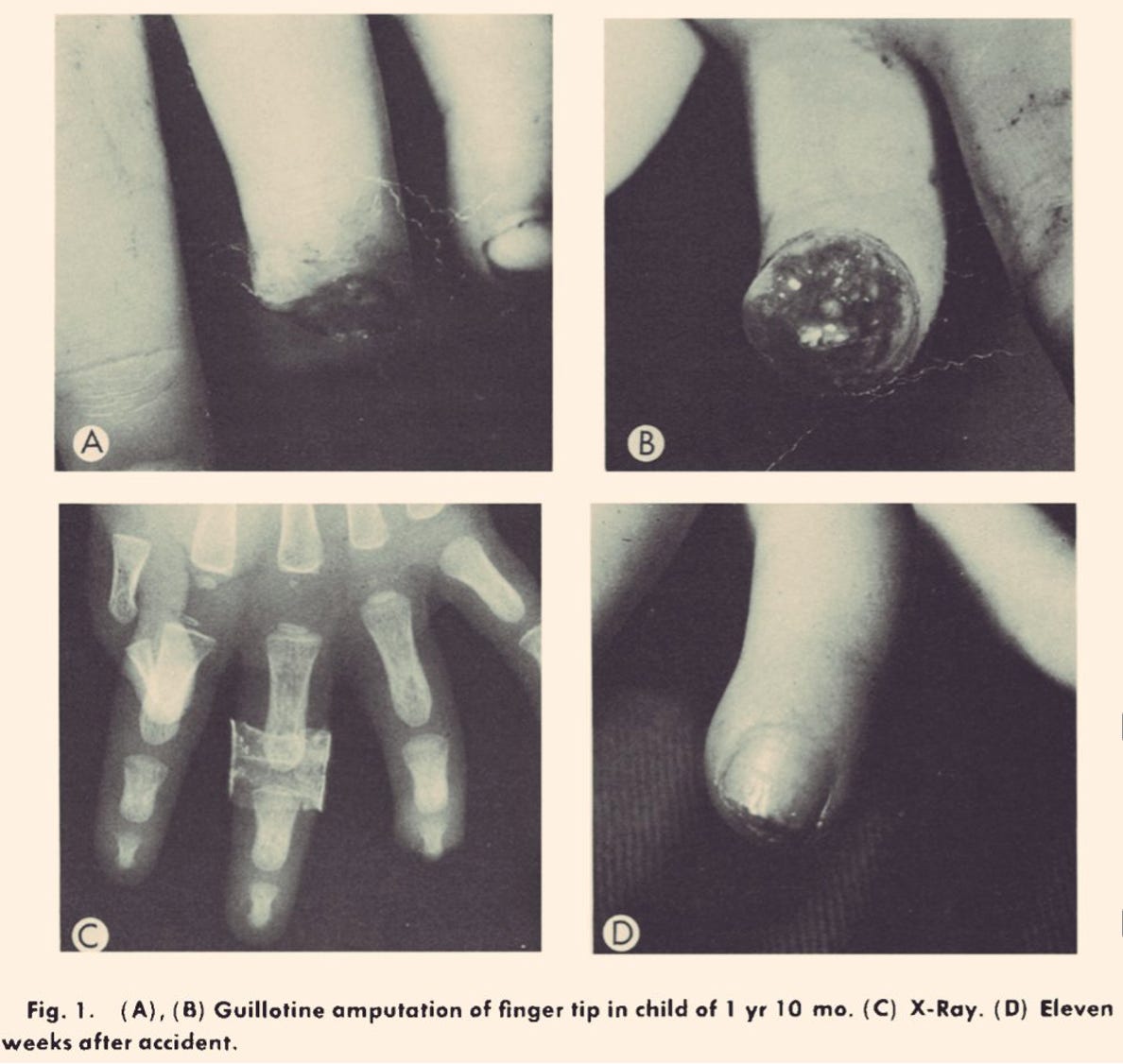
These examples suggest that metabolic vitality and the biological environment act as silent guides, ensuring that matter differentiates properly and organisms reach their full potential. This principle may also explain why babies, with their exceptionally high metabolic rates, can sometimes regrow severed fingertips. Here, metabolic energy appears to sustain the structural and temporal coherence necessary for regeneration, bridging the gap between genetic potential and physical form.26
“When the organism is seen as a constant process of adaptation, rather than as a machine that has to get along with the parts that were formed in early youth, metabolic energy is recognized to be a constructive thing, and things that reduce our energy, such as a decrease of body temperature, are seen as threats to life and successful adaptation.” —Ray Peat (2020)
While mainstream science often fixates on entropy (the tendency toward disorder), Peat highlighted its opposite: syntropy, the drive toward order, complexity, and purpose. Life, he argued, is an ascent toward coherence, requiring constant energy renewal. Evolution, in this view, is not random but driven: living systems harness solar energy to build structure, defy entropy, and adapt beyond genetic limits.27 Drawing on Lamarck and Vernadsky, Peat saw life as a progressive unfolding of latent potential into reality: a negotiation between energy and form, past and future.28
“When energy flows through matter, order accumulates (as a result of resonance and hysteresis, for example), but we hear so much about entropy, randomness, and symmetry that we forget most of the formative processes in the material world.” —Ray Peat (1990)
Metabolic Saboteurs: What Dims the Flame
Peat identifies several factors that undermine metabolism and dim the body’s energy and coherence. Though not an exhaustive list, four key culprits stand out:
Polyunsaturated fatty acids (PUFAs)
Polyunsaturated fatty acids (PUFAs), found in seed oils like canola, soy, and fish oils, are widely promoted as “heart healthy.” However, Peat saw them as disruptive.29 Unlike stable saturated fats, PUFAs are chemically unstable and easily oxidised, producing toxic byproducts that damage cells and suppress metabolism.30 He linked excess PUFA intake to inflammation, hormonal imbalance, and degenerative disease, warning that their widespread use is a hidden threat to public health.31 As the American physician Broda Barnes quipped, “Everyone should have the privilege of playing Russian Roulette if it is desired, but it is only fair to have the warning that with the use of polyunsaturated fats the gun probably contains live ammunition.”32 For Peat, PUFAs are fundamentally incompatible with a high-energy, robust metabolism.
Endotoxin
Endotoxin (lipopolysaccharide or LPS) is a toxic component from the outer membrane of gut bacteria. When gut bacteria overgrow or the intestinal barrier is weakened (by stress, poor diet, or PUFAs), endotoxin leaks into the bloodstream, triggering inflammation and immune stress. Once circulating, it impairs mitochondrial energy production, increases oxidative stress, and disrupts hormone and nervous system balance.33 This contributes to conditions like arthritis, dementia, cancer, and metabolic disease. Even social exploration and empathy may decline with higher endotoxin levels,34 while fear, depression, and anxiety increase.3536 Additives and hard-to-digest foods (such as raw salads, nuts, and fish oils) can worsen the problem, while gut and thyroid dysfunction create a vicious cycle. Peat recommends minimising endotoxin through good digestion, gut-friendly foods like raw carrots or cooked mushrooms, and avoiding dietary habits that fuel bacterial overgrowth.37
“The maladaptive sequence, starting from stress or hypothyroidism, would typically involve increased absorption of endotoxin, leading to interference with mitochondrial respiration, a shift to fat oxidation, inflammation, and the increase of a wide range of stress hormones.” —Ray Peat (2001)
Serotonin
Serotonin, often called the “happy hormone,” plays a very different role in Peat’s biology. Rather than boosting mood, Peat sees serotonin as a key driver of metabolic slowdown, hibernation, and stress adaptation.38 In animals, rising serotonin triggers hibernation-like states, lowering body temperature, suppressing appetite, and reducing energy use.

In humans, chronic stress, low thyroid, and high estrogen can elevate serotonin, leading to a feeling of being “wired but tired”: poor sleep, dulled senses, and suppressed energy production. Far from sharpening the mind, excess serotonin blunts sensory perception and emotional responsiveness.39 This explains why SSRIs, which raise serotonin, often cause side effects like emotional flattening and reduced libido. Studies even link high serotonin to increased aggression and violence.40 For Peat, the goal is not to passively “cope” with life through serotonergic shutdown, but to shift toward a more dopaminergic, expansive state; one of curiosity, problem-solving, and vibrant engagement with life.
“Serotonin doesn’t cure depression, and both serotonin and nitric oxide impair circulation and are toxic to brain cells. Both of them poison mitochondrial respiration.” —Ray Peat (2001)
Over-exercising, low-carb diets, and fasting
The advice to “eat less and move more” is, in Peat’s view, not only misguided but potentially harmful. Energy builds structure, and structure creates function, meaning food is more than fuel; it is the foundation for all vital processes. Chronic dieting, fasting, or excessive exercise removes this foundation, forcing the body to downregulate metabolism, suppress repair, and prioritise survival over growth. The Minnesota Starvation Experiment during World War II starkly illustrates this: healthy men restricted to 1,600 calories daily with mandatory exercise lost 25% of their body weight and suffered severe physical and psychological effects.41 Even after refeeding, many struggled with binge eating and lasting psychological issues. These outcomes mirror today’s widespread chronic under-eating and nutrient-poor diets, which contribute to fatigue, poor healing, cold intolerance, weakened immunity, hormonal imbalances, and emotional distress. More recent research also suggests a link between calorie restriction and heightened risk of depressive symptoms.42 Peat argues that abundant, nutrient-dense food is essential to support a robust metabolism and resilient mental health.
“Many health-conscious people become hypothyroid with a synergistic program of undercooked vegetables, legumes instead of animal proteins, oils instead of butter, carotene instead of vitamin A, and breathless exercise instead of a stimulating life.” —Ray Peat
Other detractors include hypoglycemia, circadian disruption, low CO₂, nitric oxide, chronic darkness, heavy metals, and excess phosphate relative to calcium.
On the supportive side: carbohydrates for stable blood sugar, thyroid hormone, CO₂, gelatin from cartilage, red light, restorative sleep, fat-soluble vitamins (A, D, E, K), cholesterol (as a precursor to protective steroid hormones like pregnenolone and progesterone), B vitamins, caffeine, and minerals like magnesium, sodium, and potassium.
Nourishing the Metabolic Flame and the Cosmic Flow of Energy
Building on this foundation, Peat’s approach to nutrition goes beyond seeing food as merely fuel. For him, food is a medium that sustains the bioenergetic processes underlying life, health, and even consciousness. He valued “pro-metabolic foods” for their nutrient density, digestibility, and—most importantly—their ability to support oxidative metabolism, reduce stress, and promote vitality. Peat often highlighted ripe fruits and milk as among the most ideal human foods, praising their low toxicity, nutrient richness, and support for thyroid function. He viewed them through a cosmic lens, stating:
“When you look at food cosmically, looking at the nature of cosmic energy flowing through substances, the process of nutrition, you should see it in that cosmic dimension, and it happens that the safest nutrition for long life, and clear unstressed consciousness happens to be fruit and milk.” —Ray Peat
He also recommended shellfish and occasional liver for their trace minerals. Environmental influences were central to his philosophy: Peat encouraged exposure to bright, especially red, light; spending time in warm environments; and, when possible, seeking out higher altitudes. All of these, he believed, could boost metabolic efficiency and lower stress. His list of protective factors also extended beyond diet to include coffee (for its anti-estrogen and dopamine-enhancing effects), thyroid hormone (especially T3), vitamin E (as an anti-lipid peroxidation agent), magnesium, sodium, coconut oil (for its anti-inflammatory and anti-microbial properties), and progesterone, which he considered profoundly protective against stress and hormonal imbalance.43
“I think people shouldn’t eat things that damage them, and should eat things that taste good and that provide the essential nutrients, while making them feel good and function well; is that a diet?” —Ray Peat
Peat resisted rigid dietary labels and protocols, preferring the mantra: “Perceive, think, act.” For him, eating was not just a biological necessity, but a way to cultivate awareness, reduce stress, and align with the principles of life-enhancing energy and coherence. This holistic perspective reveals that Peat’s understanding of metabolism extends beyond biology into the realms of philosophy and society.
Feelings, emotions, and meaningful activity matter too. Dancing to music, playful movement, pursuing a goal that excites you, or overcoming obstacles—all of these strengthen energetic pathways just as much as minerals or vitamins. In Peat’s lens, feeling good is not a luxury but a form of health.
Metabolism as a Philosophical and Cultural Act
Peat’s biology is also a cultural critique of modern life. Contemporary diets, loaded with processed oils and stripped of nutrient-rich foods, dim the metabolic flame. These aren’t just nutritional errors, but cultural ones, shaped by convenience, dogma, and profit. By choosing foods that honour our biology and support clean energy, we quietly resist a system that drains us.
“If people begin to think about the meanings of eating, they are beginning a process of cultural and philosophical criticism.” —Ray Peat
Eating well, then, becomes a political and philosophical act: a way of aligning with life and choosing clarity, warmth, and vitality over numbness and depletion. Peat rejected class separation and genetic determinism, believing in the inherent potential of all individuals and living systems. Inspired by Kropotkin’s mutual aid,44 he envisioned a society where open-system dynamics foster positive-sum cooperation and creativity, unbound by rigid hierarchies.
For Peat, high metabolism would lead society toward greater altruism and egalitarianism. For example, research shows that feeling physically warm (as one might with a robust metabolism), increases feelings of interpersonal warmth and trust toward others.45 This is why diet and lifestyle are such central focuses within his sphere. Rather than relying on conventional, symptom-focused medical interventions, Peat’s followers aim to organise their intake and activity to support optimal metabolic health. Where reductionist science often attributes problems to genetic defects or individual pathology, Peat’s approach sees defects in the social system or environment.46 He argued that modern social organisation has become disconnected from the regulatory principles of human flourishing. True evolution, he wrote, involves expanding the laws of development:
“New selves will be evolved, and new methods for exploring will be discovered. But before this is possible for everyone, the whole system of capitalist imperialism has to be changed, so that being human is not defined primarily as having an economic role.”47
Peat saw alienation not just as a social issue, but as a kind of inertia—a resistance to change that affects both individuals and society. Overcoming this inertia, he believed, is essential for genuine progress. He reflected in his 1976 book, Mind and Tissue:
“There is an inertia that makes it easy to over-value present knowledge. If we have enough energy (and enough time), we overcome the inertia. The desire for wholeness can lead us toward a more appropriate kind of science, and also toward a more perfect world.”
Towards a Vital Metabolism
Ray Peat’s bioenergetics is a call to reimagine health as the art of being energetically alive: warm, creative, and resilient. By supporting our metabolism, especially glucose-based, aerobic energy and healthy thyroid function, we resist the entropy of modern stress and aging. We move toward a state of greater vitality, coherence, and joy. At its heart, Peat’s message is hopeful: that by understanding and nourishing the flow of energy through our bodies, we reclaim not just our health, but our capacity for love, exploration, and meaning.
“Being alive is good for you. But our culture is saturated with arguments to the contrary—that it is life which kills us, and self-denial which sustains us. It is always easier to blame the victim than to search for the real cause of a problem.” —Ray Peat
The title of the below video suggests a far more rigid and prescriptive approach than Peat himself endorsed, but it remains a helpful overview of the foods and ideas associated with his philosophy:
The book How to Heal Your Metabolism by Kate Deering is also a useful start point to explore maximising metabolic processes through diet and lifestyle:
Adaptive substance, creative regeneration: Mainstream science, repression, and creativity (Article by Ray Peat).
Energy, structure and carbon dioxide: A realistic view of the organism (Article by Ray Peat).
The Bohr effect is a physiological phenomenon first described in 1904 by the Danish physiologist Christian Bohr. It describes how hemoglobin’s affinity for oxygen decreases when carbon dioxide levels rise or when the environment becomes more acidic (lower pH). In practical terms, this means that in tissues where metabolism is high—such as exercising muscles, which produce more CO₂ and hydrogen ions—hemoglobin releases oxygen more readily. This shift helps ensure that oxygen is delivered precisely where it is needed most. Conversely, in the lungs where carbon dioxide is low and pH is higher, hemoglobin binds oxygen more tightly for transport through the bloodstream. The Bohr effect is essential for efficient oxygen transport and delivery throughout the body.
Sugar issues (Article by Ray Peat).
Fats, functions & malfunctions (Article by Ray Peat).
Protective CO2 and aging (Article by Ray Peat).
While the second law of thermodynamics is commonly understood as describing the inevitable increase of entropy (disorder) in closed systems, some theorists have introduced the concept of syntropy to highlight processes where order and complexity emerge, particularly in open systems that exchange energy with their environment. Syntropy, a term popularised by mathematician Luigi Fantappiè and later discussed by Ilya Prigogine, refers to the tendency toward organisation and self-structuring, complementing the traditional focus on entropy.
Syntropy and the Cosmic Seesaw: Finding Balance in the Dance of Life (Substack article).
For much of Earth’s early history—approximately 3.5 to 2.4 billion years ago—the atmosphere contained little to no free oxygen. This period, known as the Archean and early Proterozoic Eons, preceded the “Great Oxidation Event,” when photosynthetic cyanobacteria began producing oxygen as a byproduct, gradually increasing atmospheric levels. Before this event, early life forms relied on anaerobic metabolic pathways, such as glycolysis and fermentation, to generate energy in oxygen-poor environments.
Lyons, T., Reinhard, C. & Planavsky, N. The rise of oxygen in Earth’s early ocean and atmosphere. Nature 506, 307–315 (2014). https://doi.org/10.1038/nature13068
Lactate vs. CO2 in wounds, sickness, and aging; the other approach to cancer (Article by Ray Peat).
“A point made by Otto Warburg and Albert Szent-Györgyi and others is that there is an important difference between the energy provided by glycolysis and that provided by mitochondrial respiration. They felt that glycolysis was a more primitive form of energy production, and supported only primitive function and cell division, while the more efficient respiration supported cell differentiation and complex functioning.” —Ray Peat in his book Generative Energy (1994)
Ho, M.-W. (2008). The rainbow and the worm: The physics of organisms (3rd ed.). World Scientific.
Ho explores the nature of life from a physics perspective, arguing that living organisms are dynamic, quantum-coherent systems sustained by energy flow and structured water. Drawing on non-equilibrium thermodynamics, quantum theory, and cell biology, Ho contends that organisms maintain order and low entropy through coherent energy cycles, and that life’s complexity cannot be explained by reductionist models alone. Her perspectives on consciousness, time, and wholeness, offer a holistic view of life as fundamentally organised and interconnected.
Read an interview with Ho here.
Ling’s association-induction hypothesis posits that the cell’s internal environment is a structured, gel-like matrix formed by water and proteins, rather than a simple solution controlled by membrane pumps. This model suggests that cellular order, ion gradients, and energy efficiency arise from the cooperative interactions within this matrix, challenging the traditional view that cell function relies primarily on active transport across the membrane.
Gerald Pollack’s research proposes that water inside cells exists in a unique, structured, gel-like state he calls the “fourth phase” or exclusion zone (EZ) water, distinct from ordinary liquid water. This structured water forms near hydrophilic (water-loving) surfaces, such as proteins, and is thought to play a crucial role in energy storage, transfer, and maintaining cellular stability. Pollack argues that this gel-like water underpins many essential cell functions and challenges the traditional view of cells as simple aqueous solutions, suggesting instead that the organisation of water is central to life’s processes.
Pollack, G. H. (2001). Cells, gels and the engines of life: A new, unifying approach to cell function. Ebner and Sons.
The thyroid gland produces two main hormones: triiodothyronine (T3) and thyroxine (T4). T4 is produced in greater quantities but is mostly a precursor; it is converted in tissues to the more active T3, which directly influences the metabolic rate of nearly every cell in the body. These hormones stimulate the production and activity of mitochondria, enhance oxygen consumption, and regulate the synthesis of proteins and enzymes involved in energy generation. Proper thyroid function ensures that cells can efficiently use nutrients and oxygen to produce ATP, maintain body temperature, and support growth, repair, and neural activity. When thyroid function is impaired (as in hypothyroidism), metabolism slows, leading to symptoms like fatigue, weight gain, cold intolerance, and cognitive dullness. Conversely, an overactive thyroid (hyperthyroidism) can cause excessive metabolic acceleration, resulting in weight loss, heat intolerance, anxiety, and muscle weakness. The thyroid’s central role in orchestrating metabolic harmony makes it, as Peat suggests, the true conductor of the body’s energetic symphony.
Thyroid: Therapies, Confusion, and Fraud (Article by Ray Peat).
How thyroid hormone fuels the drive to explore (Science Daily article).
Bernal, J. Thyroid hormone receptors in brain development and function. Nat Rev Endocrinol 3, 249–259 (2007). https://doi.org/10.1038/ncpendmet0424
TSH, temperature, pulse rate, and other indicators in hypothyroidism (Article by Ray Peat).
Linnoila, M., Lamberg, B. A., Potter, W. Z., Gold, P. W., & Goodwin, F. K. (1982). High reverse T3 levels in manic an unipolar depressed women. Psychiatry research, 6(3), 271–276. https://doi.org/10.1016/0165-1781(82)90016-6
Wieland, D. R., Wieland, J. R., Wang, H., Chen, Y. H., Lin, C. H., Wang, J. J., & Weng, C. H. (2022). Thyroid Disorders and Dementia Risk: A Nationwide Population-Based Case-Control Study. Neurology, 99(7), e679–e687. https://doi.org/10.1212/WNL.0000000000200740
Genes, Carbon Dioxide and Adaptation (Article by Ray Peat).
Estrogen and brain aging in men and women: Depression, energy, stress (Article by Ray Peat).
Trofim Lysenko (1898–1976) was a Soviet agronomist and biologist who became infamous for rejecting Mendelian genetics in favor of Lamarckian ideas, claiming that acquired characteristics could be inherited. Peat saw value in his emphasis on environmental and functional influences over heredity, ideas that anticipated aspects of modern epigenetics.
Arenas Gómez, C. M., & Echeverri, K. (2021). Salamanders: The molecular basis of tissue regeneration and its relevance to human disease. Current topics in developmental biology, 145, 235–275. https://doi.org/10.1016/bs.ctdb.2020.11.009
A morphogenetic field is a concept from developmental biology that refers to a region or group of cells in an embryo that collectively guides the formation of specific tissues, organs, or body parts. Rather than each cell acting independently based solely on its genetic instructions, cells within a morphogenetic field interact and respond to local biochemical and physical signals, allowing them to self-organise into complex structures. For example, a limb field in an embryo will give rise to a limb, even if transplanted to a different location, and can often correct errors if some cells are lost or damaged. The field concept emphasises that development is a coordinated process:
Cells within a morphogenetic field are flexible and can change fate if needed, ensuring the best possible outcome for forming a complete structure.
The field acts as a kind of “cellular ecosystem,” providing error correction and self-organisation, which is crucial for robust development.
Aspects of Wholeness (Article by Ray Peat)
Peat critiques reductionist science and argues that living systems are best understood as dynamic, integrated wholes rather than as collections of isolated parts. Drawing on examples from physiology, psychology, and physics, he emphasises the importance of energy flow, coherence, and adaptability in maintaining health and consciousness. Peat also discusses how social and environmental factors influence biological wholeness, advocating for a holistic, open-system approach to science and well-being.
The Neo-Darwinian assumption is that genetic mutations occur randomly without direction, serving as the primary driver of evolutionary change. This framework treats biological complexity as arising from chance variations filtered by natural selection, disregarding intrinsic pattern-forming processes. Critics like Ray Peat argue that such reductionist models prioritise statistical randomness over observable self-organising tendencies in nature, which suggest that order emerges through energetic and contextual interactions rather than mere chance.
This perspective synthesises Jean-Baptiste Lamarck’s emphasis on adaptive responses to environmental changes driving structural evolution, Vladimir Vernadsky’s framework of the biosphere as a system sustained by solar energy and life’s role in geochemical disequilibrium, and the thermodynamic principle of negentropy (local entropy reduction via energy utilisation). Biological systems harness solar energy gradients to fuel autocatalytic processes—self-reinforcing reaction networks—that amplify complexity, mirroring thermodynamic models where life sustains disequilibrium by converting external energy into ordered structures.
See: Azzone, G. F. (1994). Negentropy and historical arrow of time: Thermodynamical and informational aspects of the Darwinian revolution. Biology International, 32, 38–44. (PDF)
Suitable Fats, Unsuitable Fats: Issues in Nutrition (Article by Ray Peat).
Unsaturated fatty acids: Nutritionally essential, or toxic? (Article by Ray Peat).
Fats and degeneration (Article by Ray Peat).
Barnes, B. O., & Galton, C. (1976). Hypothyroidism: The unsuspected illness. Harper & Row.
Porta, F., Takala, J., Weikert, C., Bracht, H., Kolarova, A., Lauterburg, B. H., Borotto, E., & Jakob, S. M. (2006). Effects of prolonged endotoxemia on liver, skeletal muscle and kidney mitochondrial function. Critical care (London, England), 10(4), R118. https://doi.org/10.1186/cc5013
Flasbeck, V., Dersch, N., Engler, H., Schedlowski, M., & Brüne, M. (2024). Acute experimental inflammation in healthy women attenuates empathy for psychological pain. Brain, behavior, and immunity, 119, 1–5. https://doi.org/10.1016/j.bbi.2024.03.032
Lasselin, J., Lekander, M., Benson, S., Schedlowski, M., & Engler, H. (2021). Sick for science: experimental endotoxemia as a translational tool to develop and test new therapies for inflammation-associated depression. Molecular psychiatry, 26(8), 3672–3683. https://doi.org/10.1038/s41380-020-00869-2
Decker Ramirez, E. B., Arnold, M. E., McConnell, K. T., Solomon, M. G., Amico, K. N., & Schank, J. R. (2023). The effects of lipopolysaccharide exposure on social interaction, cytokine expression, and alcohol consumption in male and female mice. Physiology & behavior, 265, 114159. https://doi.org/10.1016/j.physbeh.2023.114159
Food-junk and some mystery ailments: Fatigue, Alzheimer's, Colitis, Immunodeficiency (Article by Ray Peat).
Serotonin: Effects in disease, aging and inflammation (Article by Ray Peat).
Serotonin, depression, and aggression: The problem of brain energy (Article by Ray Peat).
Molero, Y., Lichtenstein, P., Zetterqvist, J., Gumpert, C. H., & Fazel, S. (2015). Selective Serotonin Reuptake Inhibitors and Violent Crime: A Cohort Study. PLoS medicine, 12(9), e1001875. https://doi.org/10.1371/journal.pmed.1001875
Gil, C. (2022, March 10). The starvation experiment: What the Minnesota Starvation Study teaches us about eating disorders. Duke Psychiatry & Behavioral Sciences. https://psychiatry.duke.edu/blog/starvation-experiment
Menniti, G., Meshkat, S., Lin, Q., Lou, W., Reichelt, A., & Bhat, V. (2025). Mental health consequences of dietary restriction: Increased depressive symptoms in biological men and populations with elevated BMI. BMJ Nutrition, Prevention & Health. Advance online publication. https://doi.org/10.1136/bmjnph-2025-001167
Progesterone Pregnenolone & DHEA - Three Youth-Associated Hormones (Article by Ray Peat).
Peter Kropotkin’s ideas of mutual aid argue that cooperation and mutual support—rather than competition—are key factors in both animal and human evolution. Drawing on observations from nature and human societies, Kropotkin challenged the prevailing social Darwinist view that “survival of the fittest” meant ruthless individual struggle. Instead, he demonstrated that species and communities practicing mutual aid are more likely to survive and prosper. Kropotkin showed that mutual aid is evident in animal behaviour (such as in ants, birds, and mammals), in early human societies, medieval guilds, and even among the working classes of his own time. He argued that solidarity and voluntary cooperation are natural instincts, historically suppressed by the rise of the state and private property but essential for social progress and ethical development.
Williams, L. E., & Bargh, J. A. (2008). Experiencing physical warmth promotes interpersonal warmth. Science, 322(5901), 606–607. https://doi.org/10.1126/science.1162548
Peat, R. (2017, July). Problems of metabolic energy and efficiency (Newsletter).
Peat, R. (1993). Nutrition for women (5th ed.). Eugene, OR: Raymond Peat.
This is a great, thorough article.